|
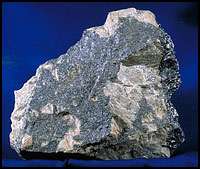
About MolybdenumMolybdenum (Mo) is a metal, with atomic weight 95.96 and density 10.22 g/cm3. Mo is a element necessary for the proper functioning of metabolic processes in both plants and animals, and is also an essential human nutrient. Mo has also been developed as a fundamental industrial metal for a wide range of applications such as increasing the hardness, strength and high temperature and corrosion resistance of steel; paint pigments, smoke suppressants, agricultural fertilizers, high-tech nanomaterials, and high-grade lubricants. Molybdenum can truly be considered as the "environmental metal". As examples, with moly steel, car frames of equivalent strength can be made lighter, for better mileage. Molybdenum is important for removing sulfer from diesel fuel, in order to meet newer clean air regulations. Consumers will see moly in the frames of their mountain bikes, and in the stainless steel in their kitchens. Without knowing it, we all depend on molybdenum. Mo is typically found in ore bodies on the form of the mineral molybdenite (MoS2) and is mined by itself or with other metals such as copper. It was first identified in 1778 by Carl Wilhelm Scheele. Today, much of the Mo consumed is mined in the USA, Chile and China. Mines within the USA are operated under stringent environmental standards that require high levels of environmental stewardship. Consumption growth of molybdenum has steadily increased at the rate of approximately 4% annually, and in 2007 reached a level of 6.4%. While there has been a short term drop in Mo demand due to the major global economic crisis that began in late 2008, long-term demand trends are predicted to continue to increase due to regulations requiring less sulfur in gasoline and diesel, reduced weight and improved passenger safety in automobiles, lower steel tonnage costs, demand for pipelines for energy transportation, and a mandate for the use of temperature and corrosion resistant moly-bearing steel in nuclear plant retrofits and new construction. The State of Colorado is rich in molybdenum deposits. The first Mo mine, the Climax Mine, at the summit of Fremont Pass, near Leadville, Colorado, began production in 1918, and was mined by both surface and underground methods. Another, more modern, underground molybdenum mine, the Henderson Mine, is in operation near Empire, Colorado. Other important deposits in Colorado are the Mt. Emmons deposit, near Crested Butte, and the Silver Creek deposit, near Rico. For more information about the properties and use of molybdenum, please access the links below: International Molybdenum Association www.imoa.info Mineral Information Institute www.mii.org/Minerals/photomoly.html The Journal of Nutrition jn.nutrition.org/nutinfo/content/moly.shtml Eating Well www.eatingwell.com/health/nutrient_library/molybdenum.html Oregon State University, Micronutrient Information Center lpi.oregonstate.edu/infocenter/minerals/molybdenum/ Mineral Prospector www.mineralprospector.com/html/molybdenum.html |